Technical
Apr 15, 2026
Choosing a 4×4 Crew Bus for Remote Mine Sites: A Procurement Guide
Content
A stranded mining bus costs more than a tow—it hits safety, uptime, and your bottom line. This guide shows how to choose a true mine spec bus built for remote conditions, not just modified to survive them.
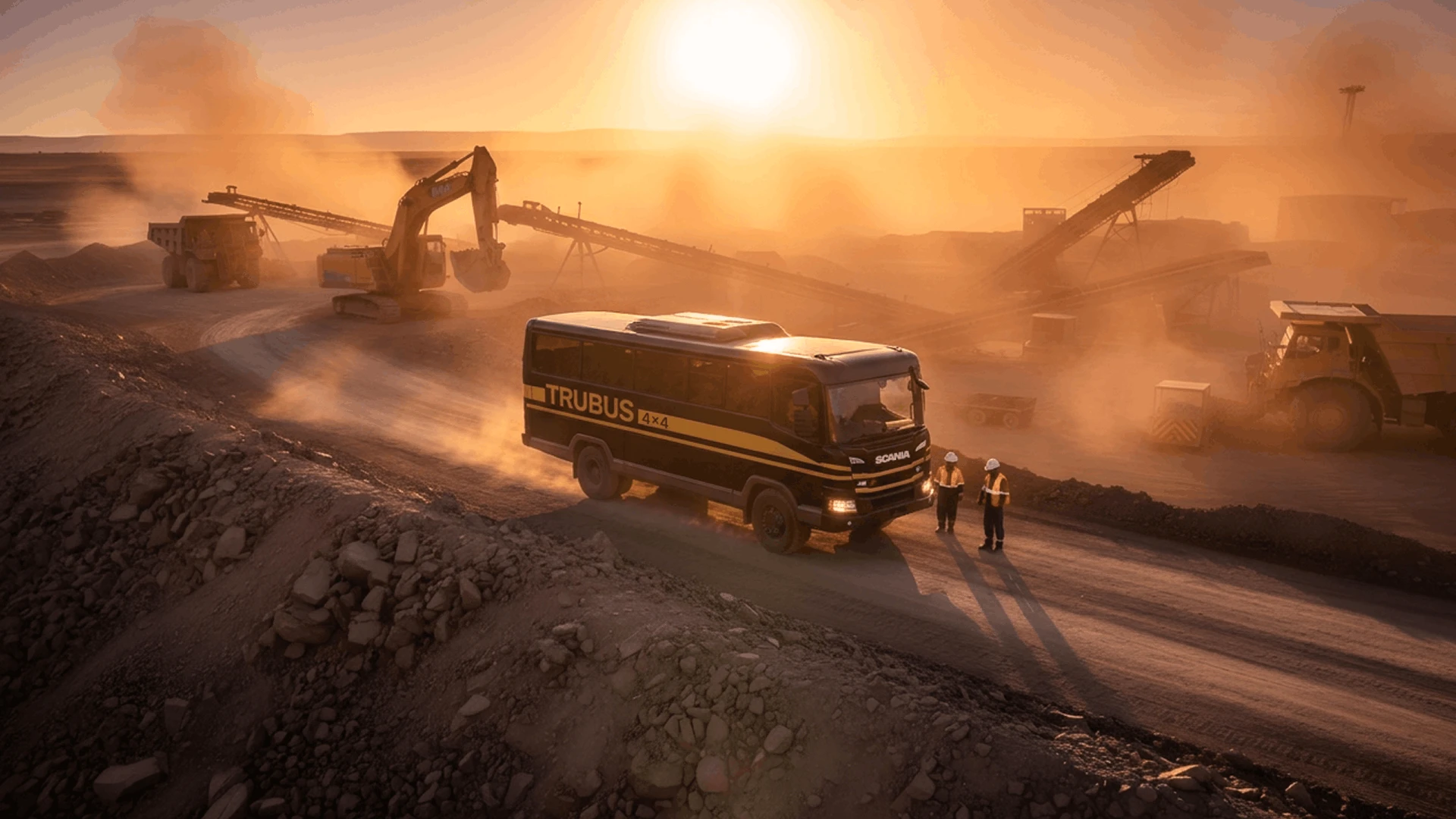
A stranded crew bus on a mine site is never just a tow.
It’s a lost shift. It’s the production downtime while crew transport gets rearranged. It’s the safety review that lands on the procurement officer’s desk three weeks later asking why the vehicle was specified the way it was.
The cost of getting a mining bus wrong is much higher than the price tag on the wrong bus.
This guide is for procurement officers, fleet managers, and operations leads weighing up a mine spec bus purchase. It covers what a 4×4 crew bus actually needs to handle on a remote mine site, what specs to interrogate, and how to evaluate total cost of ownership across the life of the vehicle.
What “mine spec” actually means
The phrase “mine spec bus” gets thrown around loosely. In serious procurement conversations, it means a vehicle that meets the safety, durability, and operational requirements of an Australian mine site, not just one that’s been painted in a high-vis colour.
A genuine mine spec bus typically includes:
Site-rated safety systems: rollover protection, fire suppression, isolator switches, reverse cameras, and beacon lighting that meets specific site standards
Compliance documentation: full chain of custody on the chassis, drivetrain, and body, with engineering sign-off
Heavy-duty drivetrain: a 4×4 system rated for sustained operation on corrugated haul roads
Dust and heat management: cooling and air filtration sized for Pilbara, Goldfields, or central Queensland conditions
Passenger restraint systems: seatbelts and seat construction that meets the requirements of the operator and the site
Driver visibility and ergonomics: configured for the long shifts and difficult conditions drivers actually face
Different sites have different specifications. BHP’s iron ore operations require different things to a Newmont gold site or a Glencore coal operation. The first job in any procurement process is getting clarity on the exact site specs the bus needs to meet.
What a remote mine site demands of a bus
Three things make mine site operations brutal on vehicles.
Corrugations. Sustained operation on graded haul roads creates harmonic vibration that finds every weak point in a bus. Bolts loosen. Welds crack. Body panels separate from frames. A bus engineered for sealed roads will start showing signs of fatigue within months.
Heat. Summer surface temperatures in the Pilbara routinely exceed 50°C. Engine bays run hotter still. Cooling systems and electrical components designed for European or temperate Australian conditions struggle.
Distance from service. A breakdown on a sealed road in suburban Brisbane is an inconvenience. A breakdown on a haul road three hours from the nearest workshop is an emergency. Remote operations need vehicles built for low maintenance frequency and high mean time between failures.
A good mine spec bus is engineered for all three from the start. A converted highway coach has none of these conditions in its design brief.
Sizing the vehicle: 24, 34, or 40+ seats?
Crew bus sizing is a function of shift composition, route flexibility, and parking constraints at the camp and pit ends.
24-seat range. Suits smaller crews, supervisor transport, and operations where flexibility matters more than bulk capacity. Easier to manoeuvre on tight pit roads.
34-seat range. The sweet spot for many WA and Queensland mining operations. Big enough to move a full shift in one trip, small enough to remain manageable on most site roads. Search data shows strong commercial intent around “34 seat 4×4 mine spec bus” across Perth in particular, which is consistent with the size of the Pilbara crew transport market.
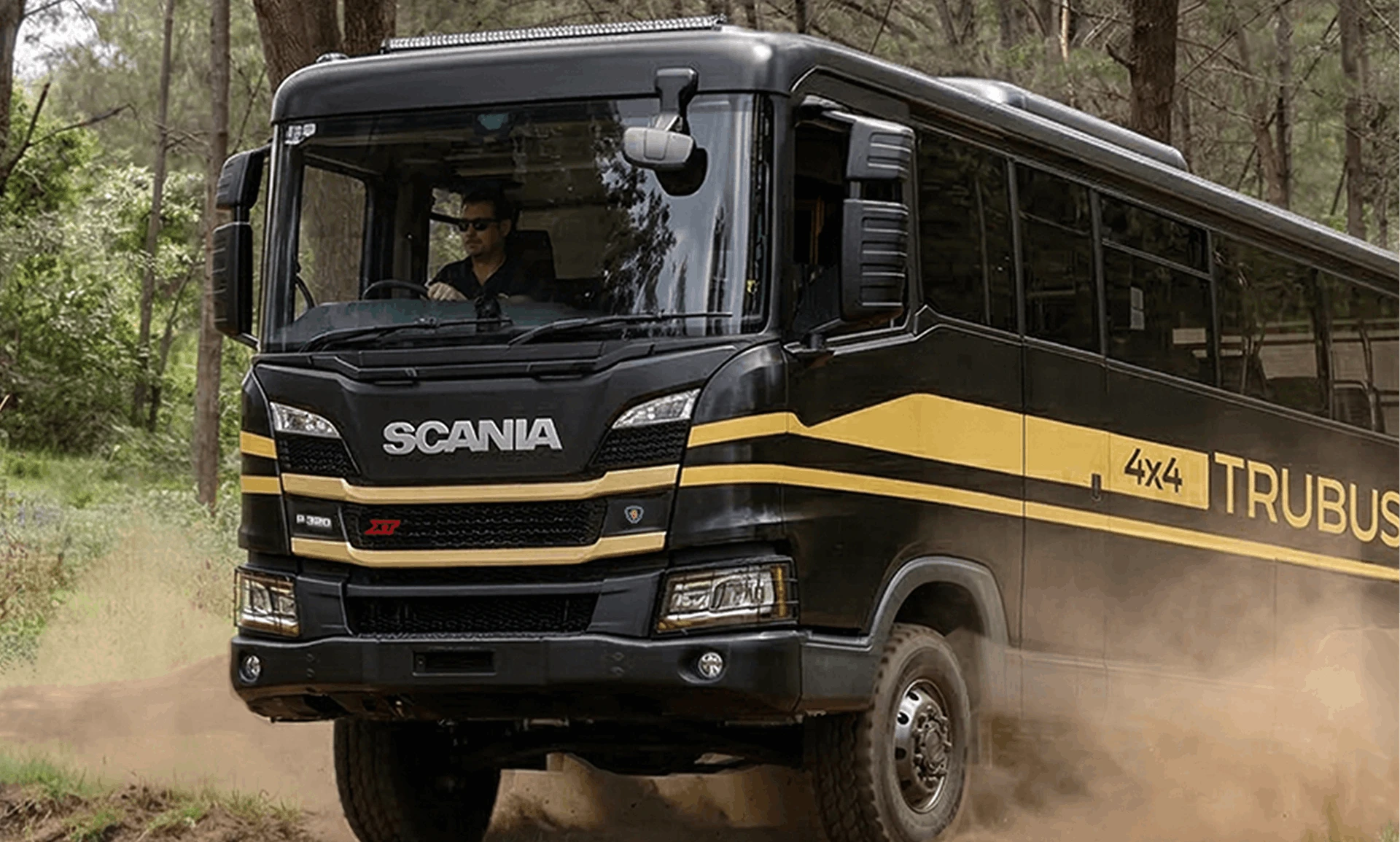
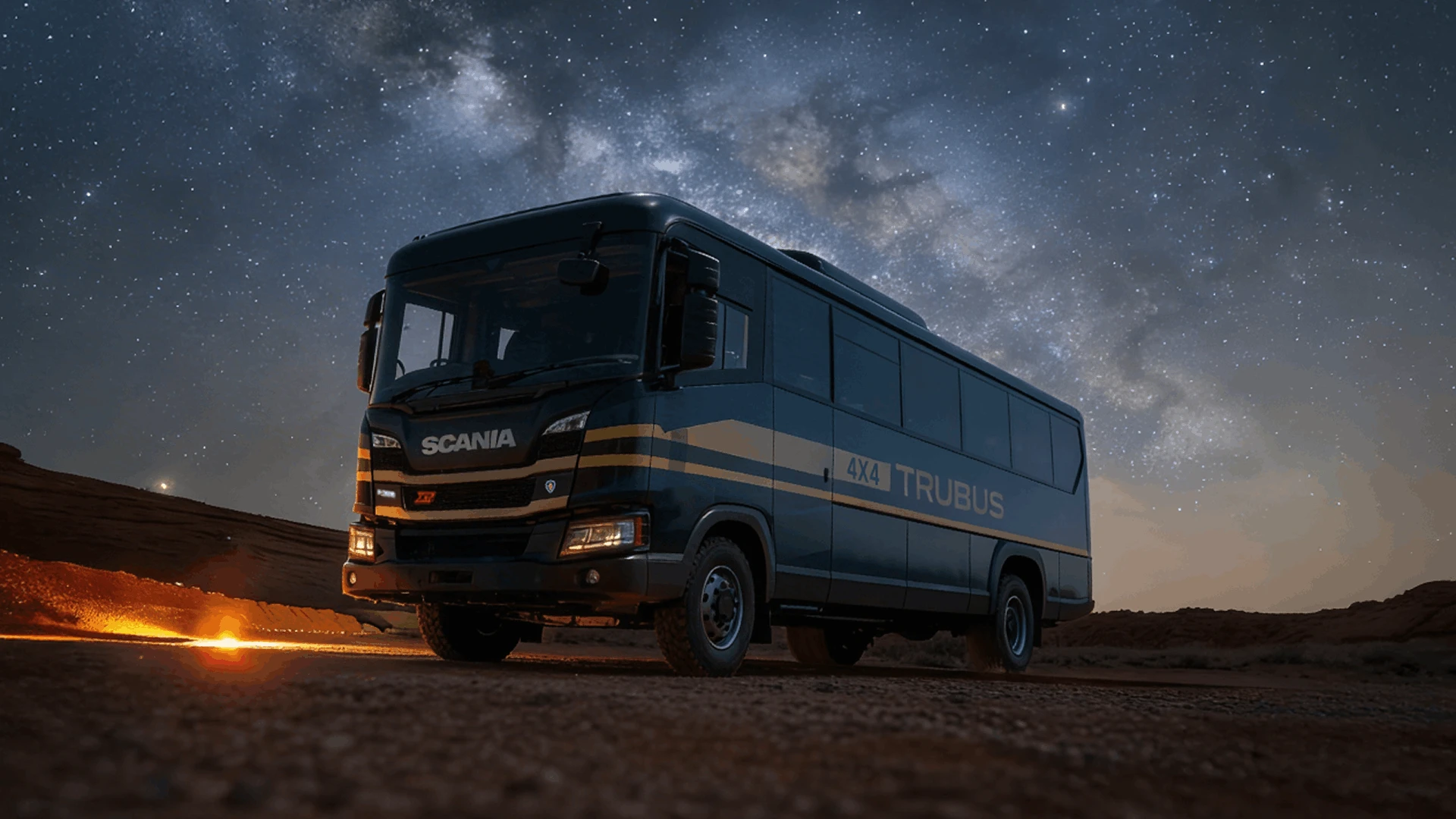
40+ seat range. Maximum efficiency for fixed routes between camp and a single pit, especially on operations running 12-hour shifts with predictable crew rotation. The AutoBus Trubus sits in this category, built specifically for high-volume crew movements.
The right answer depends on your shift patterns. A site running multiple smaller crews to multiple pit locations is better served by a fleet of mid-size buses. A site running predictable mass crew movements between two locations is better served by a smaller number of larger buses.
The chassis question
The chassis is where every serious procurement conversation should start.
Mining buses are typically built on heavy commercial chassis from established manufacturers. Scania, Mercedes, MAN, and Isuzu dominate the segment. Each has trade-offs.
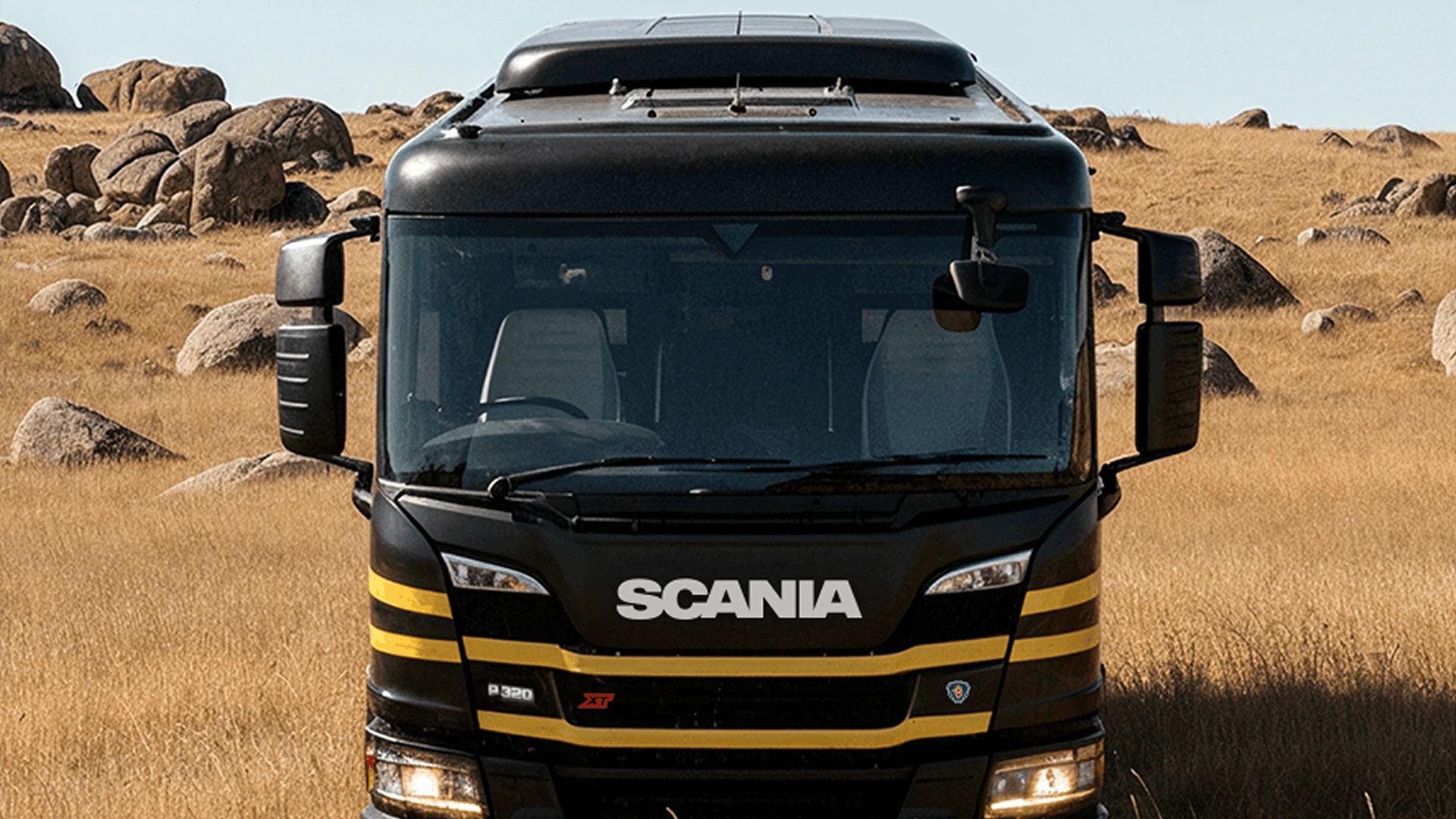
Scania. Strong reputation in heavy off-road applications globally. Mining-grade drivetrain options. Solid Australian service network. The Trubus uses a Scania 4×4 chassis, with full drivetrain warranty coverage from Scania.
Mercedes. Wide model range and strong dealer network, though heavy 4×4 mining configurations are less common.
MAN. Used in some specialist mining vehicles. Less common in Australian crew transport.
Isuzu. Dominant in the medium-duty segment. Excellent service network. Strong reputation for reliability. AutoBus has an Isuzu-based vehicle in development for operators who need a different size profile.
The chassis decision flows everything else: parts availability, technician familiarity, warranty terms, and resale value. Get this right first.
Safety: the procurement officer’s actual job
The commercial case for a mining bus matters. The safety case matters more.
Modern mine site procurement is shaped by chain of responsibility legislation, ICMM guidelines, and the operator’s own internal safety standards. The bus you buy is a vehicle, but it’s also a piece of safety equipment. If something goes wrong, the procurement decision will be examined.
The questions to ask:
Does the vehicle meet ADR compliance for the intended use?
What rollover protection is built in?
What fire suppression is fitted, and is it appropriate for the site’s risk profile?
What are the seatbelt and seat construction ratings?
What driver fatigue mitigation features are included? (Visibility, ergonomics, climate control)
What’s the emergency egress configuration?
Get these answered in writing before any contract is signed.
Total cost of ownership: the real number
Sticker price is the worst metric for a mining bus. The number that matters is total cost of ownership across the operating life of the vehicle, typically 7 to 10 years for a heavy-duty mining application.
Inputs to model:
Capital cost. Vehicle purchase price, including site-spec configuration.
Fuel. Function of engine choice, gearing, route profile, and driver behaviour. Diesel still dominates the segment, but operators are starting to model future fuel cost scenarios.
Servicing. Scheduled service intervals, parts cost, labour cost, and the cost of getting the bus to and from a service centre. A bus that needs a workshop every 10,000 km in a location 1,000 km from the nearest workshop is expensive in ways that don’t show up on a quote.
Tyres. Mining bus tyres are a major running cost. Specification matters.
Downtime. The cost of crew transport disruption when a bus is off the road. This is often the largest hidden number in TCO.
Driver costs. Driver pay, training, and turnover. A bus that’s hard to drive or uncomfortable to spend a shift in increases turnover.
Resale. A purpose-built mining bus from a reputable manufacturer holds value. A converted vehicle with no clear pedigree depreciates harder.
A 10-year TCO model usually shows that the cheapest bus on day one is the most expensive bus across its operating life. The opposite is also true.
If those boxes don’t get ticked, look at other options first.
What to ignore in the spec sheet
Some things sound impressive in a brochure and matter very little on a mine site.
Top speed. Mining bus routes are typically speed-limited well below the vehicle’s capability. Top speed is a road coach metric.
Luxury appointments. Crews want functional, durable, cleanable interiors. Plush trim is wasted spend that fails faster.
Branded entertainment systems. Most crews use their phones. Built-in entertainment is rarely worth what it costs.
Marketing language about “rugged” or “heavy-duty”. These words mean nothing without specs and certification behind them.
Focus on the engineering, the safety case, the service support, and the warranty.
The warranty question
Warranty terms are where manufacturers reveal what they actually believe about their vehicles.
A real mining bus warranty should clearly cover:
The body and structure (5 years or 100,000 km for AutoBus TRUBUS)
The chassis and drivetrain (covered separately by the chassis manufacturer)
Wear items and exclusions
Service requirements to maintain warranty
Process for warranty claims and how quickly they’re resolved
If the warranty terms are vague, the manufacturer is hedging. If the terms are clear and specific, that tells you something. AutoBus publishes warranty terms in full and supports vehicles through a national service network, with chassis coverage backed by Scania for the TRUBUS model.
The procurement process worth running
A well-run mining bus procurement looks something like this:
Define the use case. Routes, crew sizes, shift patterns, site requirements, route surface conditions.
Confirm site specs. Get the operator’s exact specification document.
Shortlist three to five vehicles. Different manufacturers, different sizing options.
Conduct site visits. Inspect the vehicles in person. Talk to the build team.
Get operator references. Talk to operators running the same vehicle in similar conditions.
Model TCO across 7-10 years. Don’t just compare sticker prices.
Get warranty and service terms in writing.
Run a structured pilot. Where possible, trial the shortlisted vehicle on the actual route.
Make the call.
This process takes longer than a quick quote comparison. It produces a result that holds up.
Where AutoBus fits in mining procurement
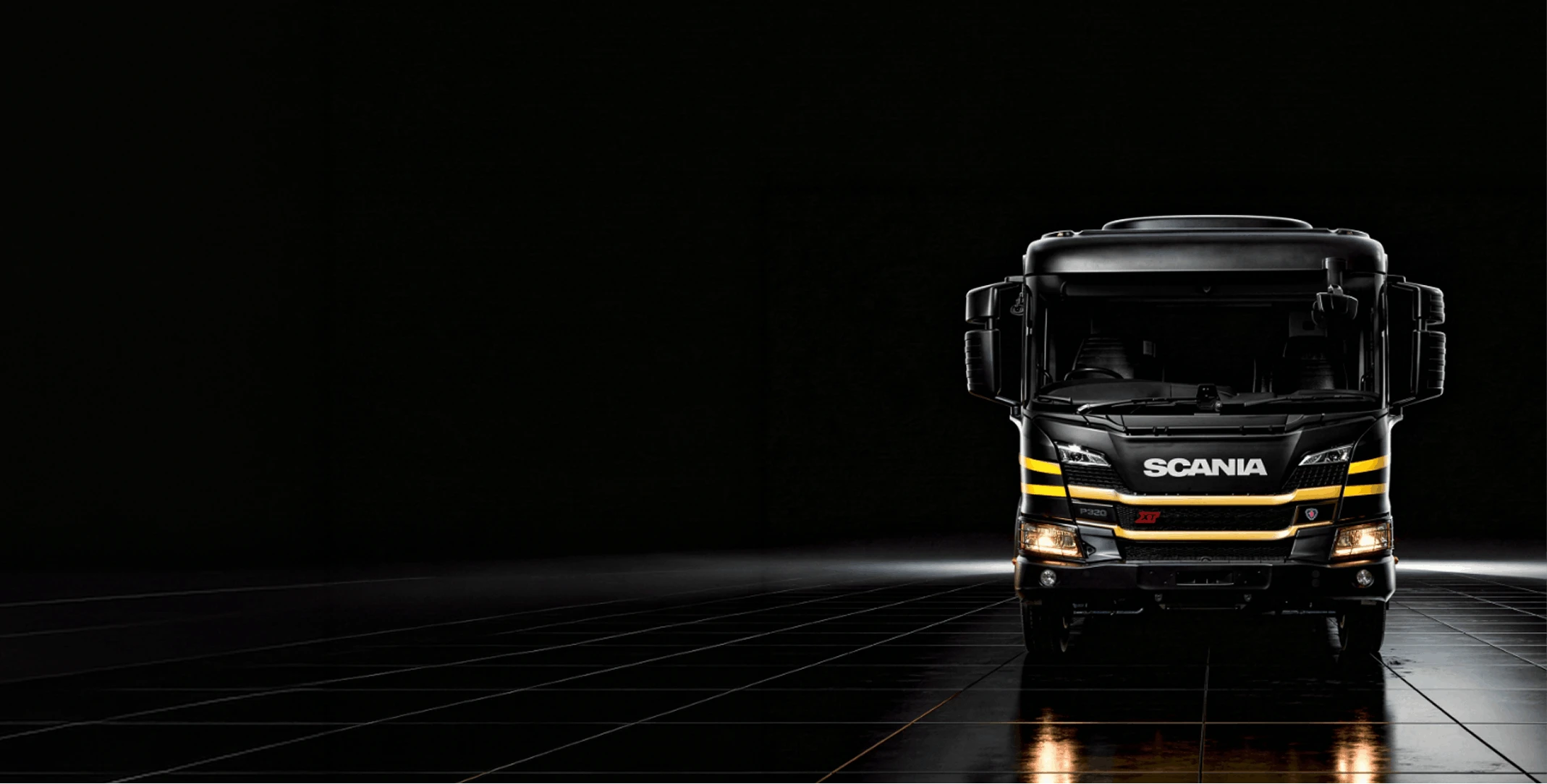
AutoBus builds purpose-designed 4×4 buses for Australian mining operations. The flagship TRUBUS carries 40+ passengers on a Scania 4×4 chassis, with body and structure warranty from AutoBus and drivetrain warranty from Scania. An Isuzu-based platform is in development for operators who need a different size profile.
Vehicles are sold direct to businesses, with technical support and configuration changes handled by the manufacturer rather than a dealer intermediary. National service coverage supports operations across WA, Queensland, NSW, and SA.
If you’re scoping a mining bus purchase, the next step is a conversation about your site requirements, route profile, and crew transport goals.
Get in touch with the AutoBus team to start the conversation.